
In Montreal, litigation related to latent defects in real estate occupies a very real place in the activity of the civil courts. They do not only concern exceptional situations, but affect buyers each year who are confronted with major defects discovered after the transaction: persistent water infiltration, foundation problems, hidden mold, deficient roofing or structural defects from previous renovations.

These cases reveal a reality well known to civil litigation practitioners: latent defects are almost never a simple technical problem. It is located at the intersection of real estate law, the law of obligations and civil evidence. In Montreal, where a large part of the real estate stock is old and where transactions are often concluded in a tense market context, these disputes raise significant financial issues, sometimes much higher than the anticipated costs at the time of purchase.

In practice, conflicts for latent defects quickly crystallize around decisive legal issues. Did the defect really exist at the time of the sale? Was it detectable by a prudent and diligent buyer? Could the seller have ignored it in good faith? Did the buyer respond with due diligence after the problem was discovered? These questions, far from being theoretical, directly condition the outcome of the appeal.

An invisible scourge: water and humidity at the heart of disputes

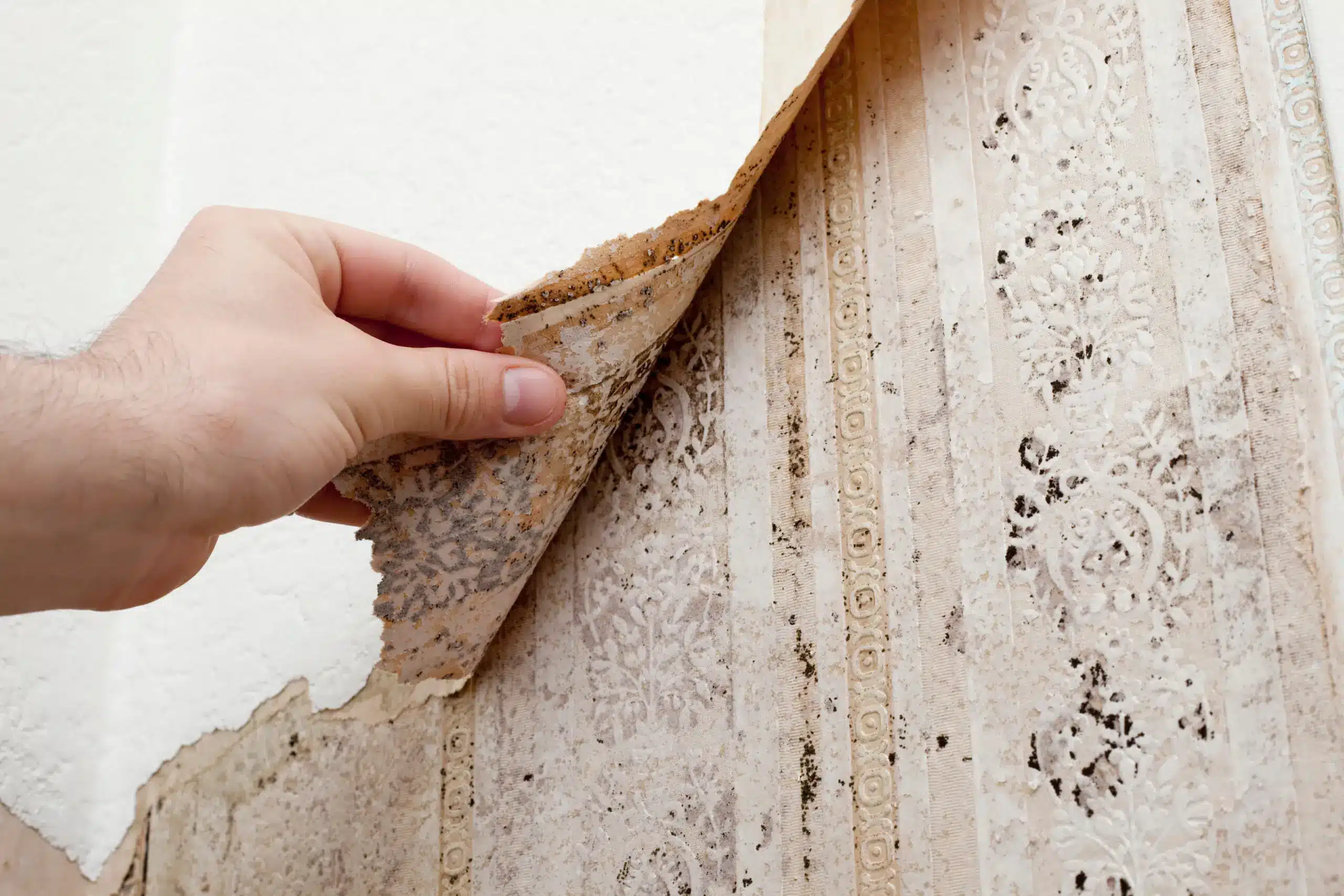
The available data confirm a strong trend: latent defects related to water and humidity largely dominate residential real estate litigation in Quebec, including Montreal. Infiltration, poor drainage, mould, foundation or roof problems make up the majority of cases submitted to the courts.

An examination of court decisions shows that three categories of defects alone account for more than half of the recognized disputes, with success rates varying according to the nature of the defect. This disparity illustrates the difficulty of proof and the importance of a rigorous legal qualification from the outset.
Typology of latent defects and chances of success in court

Type of latent defect

Share of decisions analysed

Buyer success rate

Level of complexity

Water infiltration

Approximately 18%

Approximately 33%

High

Problems with the foundation

Approximately 17%

Approximately 52%

Very high

Roof defects

Approximately 15%

Approximately 40%

Medium to High

Mold

Common

Variable

High

Drainage and chronic humidity

Common

Variable

High

These figures show that, even in the presence of a serious problem, a significant proportion of appeals are rejected. The seriousness of the defect is not enough: the evidence, the chronology and the procedural strategy are decisive.

The legal definition of latent defects: a strict framework

Under Quebec law, a defect is considered to be hidden when it existed at the time of the sale, was unknown to the buyer, was not apparent during a careful and serious examination, and is serious enough that the buyer would not have purchased or would have paid a lower price.

An element that is often misunderstood concerns the good faith of the seller. Even a seller who was unaware of the defect can be held liable. This opens the door to various remedies: reduction of the price, reimbursement of corrective work, damage or, in some cases, cancellation of the sale. This framework explains why latent defect cases are frequently part of a logic of contractual and real estate disputes, more broadly relating to commercial litigation when the amounts at stake become significant.

Very real financial stakes for buyers

Beyond the legal debate, the financial consequences are often heavy. Moisture and mold problems result in diagnostic, decontamination and renovation costs that quickly exceed several thousand dollars. In many cases, the buyer must arbitrate between a small claims claim and an appeal before the civil division, depending on the applicable ceiling and the extent of the damage.

This strategic decision is rarely trivial. Reducing a claim to stay below the small claims threshold can limit actual compensation, while an ill-prepared civil action exposes you to costs and eventual dismissal. It is precisely at this stage that the support of a civil litigation lawyer takes on its full importance.

Why the intervention of a lawyer is often decisive

Decision analyses show that about 60% of latent defect claims brought by buyers were rejected in the sample studied. This figure does not reflect the absence of real problems, but rather the legal complexity of these cases.

An action for a latent defect requires rigorous management of several steps: prompt denunciation of the defect, adequate formal notice, choice of the right recourse, expert evidence, management of limitation periods and, sometimes, negotiation or mediation to avoid a long and costly trial. The lawyer acts as the conductor of the case, securing the evidence and guiding the strategy, in particular by the use of mediation when the context is appropriate.

Frequently Asked Questions

What are the most common hidden defects in Quebec and Montreal?

About 80% of the most frequent hidden defects are related to water or humidity: infiltration, drainage problems, mold, deficient roofing. Defects affecting the foundation, roof and water infiltration represent more than 50% of the judicial decisions analyzed.
Sources
https://soumissionsinspecteurs.ca/top-vices-caches-au-quebec/
https://www.oaciq.com/fr/grand-public/vos-protections/faire-toute-la-lumiere-sur-les-vices-caches/

What is the success rate of buyers in court?

Success rates vary depending on the type of defect: about 52% for foundation problems, 40% for the roof and 33% for water infiltration.
Source
https://soumissionsinspecteurs.ca/top-vices-caches-au-quebec/

Does a pre-purchase inspection prevent an action for latent defects?

No. A pre-purchase inspection does not automatically exclude an appeal. However, if the defect was detectable during a careful and serious examination, the hidden nature may be called into question.
Spring
https://www.oaciq.com/fr/grand-public/vos-protections/pour-un-acheteur-comme-pour-un-vendeur-un-vice-cache-est-une-tres-mauvaise-surprise/

Can a seller be sued even if he was acting in good faith?

yes. The seller can be held liable even if he was unaware of the defect, except for exceptions provided for by law, in particular certain clauses of sale “at the risk and peril”.
Sources
https://www.oaciq.com/fr/grand-public/vos-protections/faire-toute-la-lumiere-sur-les-vices-caches/
https://educaloi.qc.ca/capsules/le-vice-cache-dans-un-immeuble/

What are the typical costs associated with mould problems?

A mold diagnosis costs on average between $245 and $740. The decontamination of an attic ranges from $618 to $4,945, and that of a room between $2,060 and $6,200.
Spring
https://soumissionsinspecteurs.ca/top-vices-caches-au-quebec/

Why act quickly after the discovery of the defect?

The courts assess the buyer’s diligence. A delay in the denunciation or repairs carried out without an expert opinion can considerably weaken the recourse.
Sources
https://educaloi.qc.ca/capsules/le-vice-cache-dans-un-immeuble/
https://www.bnc.ca/particuliers/conseils/maison/vices-caches-quoi-faire.html

Are hidden defects common in small claims?

yes. Latent defect claims are among the largest cases in Small Claims Court, illustrating how common this type of litigation is for individuals.
Sources
https://cdn-contenu.quebec.ca/cdn-contenu/adm/min/justice/publications-adm/acces-information/decisions/2024/DAI_no_BSM-2024-003601.pdf
https://www.assistancecreances.ca/blogs/les-petites-creances/vices-caches-cour-des-petites-creances-la-demande

Why consult a lawyer at the first signs of a latent defect?

Because claims for latent defects are legally complex and the majority of rejections are explained by errors of evidence, deadlines or strategy. Legal support significantly increases the chances of success.
Sources
https://educaloi.qc.ca/capsules/le-vice-cache-dans-un-immeuble/
https://www.rsslex.com/bulletins/vices-caches-et-couteux/

Contact us

At the first signs of a hidden real estate defect in Montreal, it is crucial to consult a lawyer to protect your rights and preserve your recourses. Compagnie abg conseils juridiques supports you with a fast and effective strategy, in negotiation as well as in court.